September 23, 2026 · 6-min read
How to Teach Kids to Read the Bible for Themselves
You do not need all the answers to help a child open God's Word with confidence.
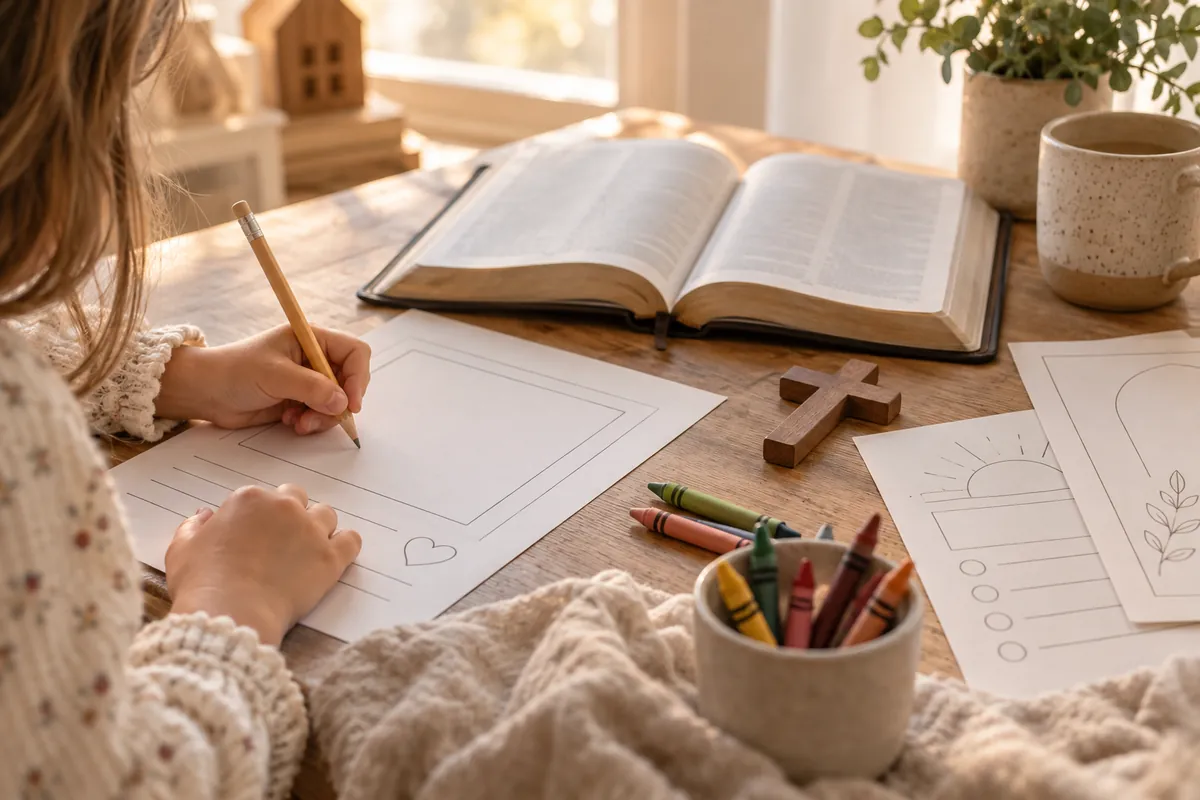
Teaching children to read the Bible for themselves starts with small, repeatable habits: choose a short passage, help them notice what it says, and talk about how it points them to God. When you learn how to teach kids to read the Bible this way, they do not need to have every answer before they begin.
A child does not have to wait until they are older, more focused, or able to read a whole chapter alone. They can learn that the Bible is God's Word, that it is worth opening, and that they can come to it with honest questions.
Why should kids read the Bible for themselves?
Kids hear Bible stories at home and church, and that matters. But learning to open the Bible themselves helps them see that Scripture is not only something adults explain to them.
Psalm 119:105 says, “Your word is a lamp to my feet and a light to my path.” Children need that light in ordinary places too: friendships, fears, choices, school days, and hard moments.
Reading for themselves also gives them a healthy pattern for the future. Instead of only asking, “What does my teacher think?” they begin asking, “What does God’s Word say?”
What is a simple way to begin?
Start with a short passage rather than a long reading plan. One or two verses is enough for a young child. A short paragraph is often enough for an older child.
Choose passages that are clear and connected to everyday life. Good places to begin include:
- Psalm 23
- Psalm 119:105
- Mark 10:13–16
- Matthew 6:25–34
- Luke 15:1–7
- Galatians 5:22–23
- Ephesians 6:10–18
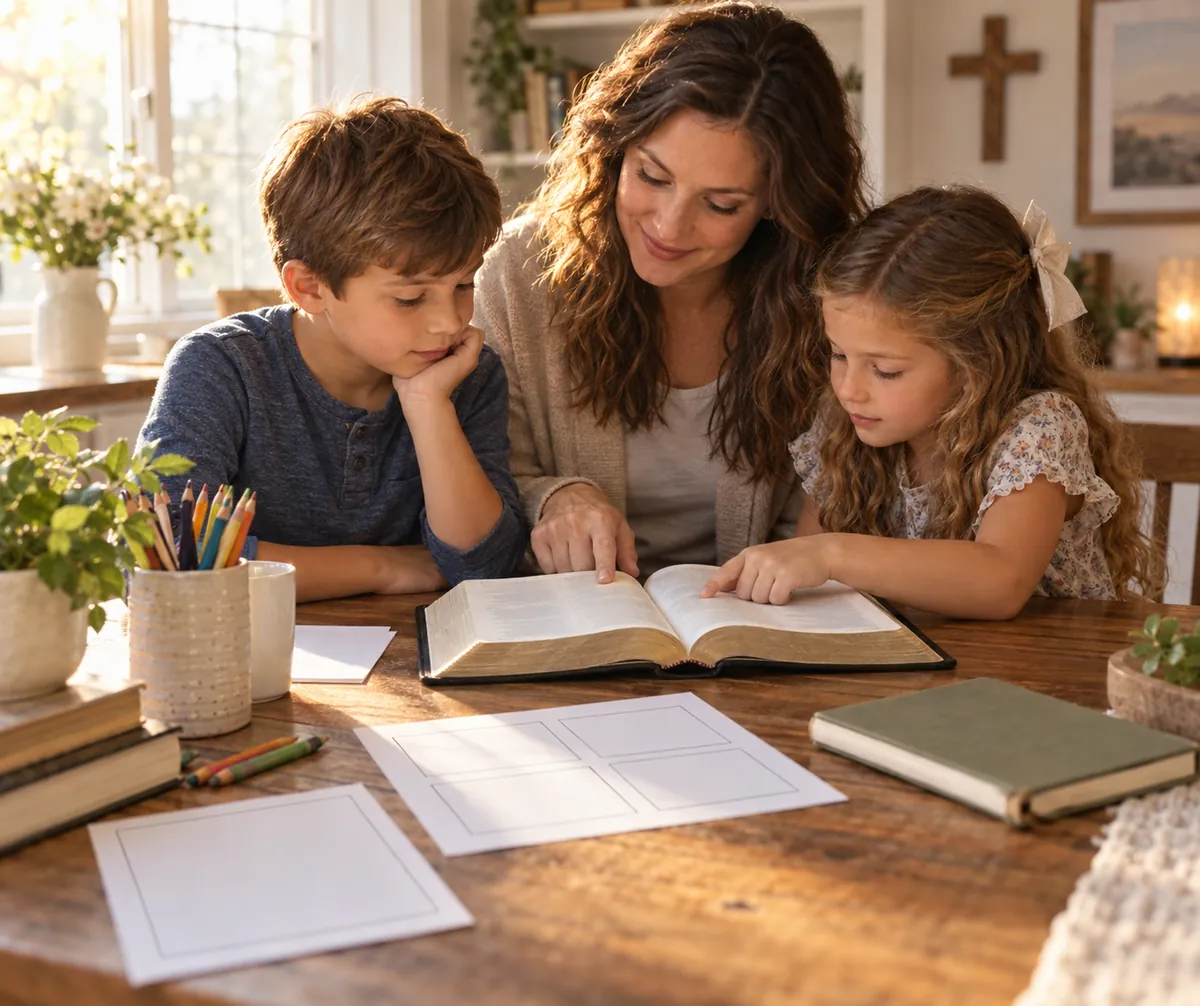
Read the passage aloud first, even if your child can read it. Hearing the words helps them settle in, and it shows that reading the Bible is something you can do together.
Then let your child read a verse, a sentence, or a section aloud. Do not rush to correct every stumble. The goal is growing familiarity and confidence.
How do I help a child understand a passage?
Keep the first questions simple. You are not trying to turn every reading time into a lesson with a right answer. You are helping your child look closely at what is already there.
Try these three questions:
- What did you notice?
- What does this teach us about God?
- What can we do or remember because of this?
If your child gives a short answer, that is okay. You can gently build on it. If they say, “God takes care of us,” you might answer, “Yes. What part of the verse helped you see that?”
For younger children, offer choices when an open question feels too big:
- “Was Jesus being kind or unkind here?”
- “Do you think this person felt afraid or safe?”
- “What does this verse say God does?”
- “Which word stands out to you?”
The Bible is not a worksheet to finish. Leave room for wondering, talking, and quiet.
What should I say when they ask a hard question?
You do not need to answer every question immediately. In fact, it is good for children to see that careful Bible reading sometimes means slowing down.
You can say:
“That is a thoughtful question. Let’s look at the verses around it.”
Or:
“I’m not sure yet, but we can learn about it together.”
This teaches humility without making Scripture seem confusing or out of reach. Read the verses before and after the passage. Check who is speaking, who is listening, and what is happening in the story.
When a question still needs more time, write it down. Return to it later during family devotions, Sunday school preparation, or a quiet conversation. If you need help responding calmly when a child catches you off guard, this guide to Bible questions that stump you can help.
How can kids find books and verses?
Part of reading the Bible independently is learning how it is put together. Teach this slowly, one skill at a time.
Show your child:
- The table of contents
- The difference between the Old and New Testaments
- A book name, chapter number, and verse number
- How to use page numbers or Bible tabs
- How to find the passage before reading it
Say the reference out loud as you point: “Psalm 119, verse 105.” Then let them find it with you. At first, you may need to guide their finger down the page. Over time, step back a little.
You can make it a low-pressure game. Ask them to find one book during breakfast, another on the way to church, or one verse before bedtime. For more help with this foundational skill, try teaching kids the books of the Bible in order.
How do I make Bible reading a habit?
Aim for a small rhythm you can actually keep. Five quiet minutes after breakfast may work better than a long evening plan that leaves everyone tired.
Choose one regular moment:
- Before school
- After dinner
- At bedtime
- During Sunday school opening time
- Before a kids-church lesson begins
Keep a Bible, pencil, and notebook or paper nearby. Let children mark a word they notice, draw part of the story, or copy one short verse. These simple actions help them stay engaged without distracting from the passage.
It is also fine if some days are messy. A missed day does not erase the habit. Open the Bible again tomorrow.

What does the SOAP method look like for kids?
SOAP is a simple Bible study pattern that gives children a place to begin. It stands for Scripture, Observation, Application, and Prayer.
Keep each part brief:
Scripture
Read and copy one verse or a small part of it.
Observation
Ask, “What does this verse say?” Encourage your child to use words from the passage.
Application
Ask, “What might this mean for me today?” Help them name one small response, such as telling the truth, showing kindness, or remembering God is near.
Prayer
Invite them to pray one or two sentences based on what they read.
For example, with Psalm 119:105, a child might write:
- Scripture: “Your word is a lamp to my feet.”
- Observation: God’s Word helps show me where to go.
- Application: I can ask God to help me make a kind choice today.
- Prayer: God, help me follow Your Word today.
A guided page can make this easier for children who need a clear next step. Near the end of your reading time, you might use this free Kids Bible Study Worksheet for Psalm 119:105 and the SOAP method as a simple practice tool.
How can parents and teachers keep it encouraging?
Let children know they are welcome in the Bible. They do not need to perform, sound grown-up, or find a deep answer every time.
Praise honest attention instead of polished responses. “I like how carefully you looked at that verse” can mean more than “That was the right answer.”
Keep returning to the same basic invitation: read it, notice it, talk about it, and pray. As children practice, they learn that God's Word is for their real lives—and that they can open it for themselves.
Frequently asked questions
- What age can a child start reading the Bible?
- Children can begin hearing and exploring Scripture before they read independently. Once they can read short passages, guide them with a child-friendly translation and a few simple questions.
- Which Bible translation is easiest for kids to understand?
- Choose a trustworthy translation with clear language your child can follow. Reading together lets you explain unfamiliar words without making the Bible feel difficult.
- How much Bible should a child read each day?
- A few verses read attentively is enough to begin. Consistency and conversation matter more than finishing a long reading plan.
- What if my child does not understand a Bible passage?
- Tell them it is okay not to understand everything at once. Read the surrounding verses, explain what you can, and write down questions to revisit together.
- kids bible study
- christian parenting
- family devotions
- bible activities
- sunday school
Related reading
- How to Teach Kids the Creation Story in 7 Simple DaysLearn how to teach kids the creation story with seven simple, Scripture-first lessons from Genesis 1 for home, class, or church.
- How to Teach Kids to Confess Sin Without Shaming ThemLearn how to teach kids about confession without shame using simple words, calm tone, and Scripture that points straight to forgiveness, not fear.
- How to Teach Kids the Ten Commandments (Without a Boring List)A simple, Scripture-first way to teach kids the Ten Commandments through stories, actions, and everyday choices instead of memorization.